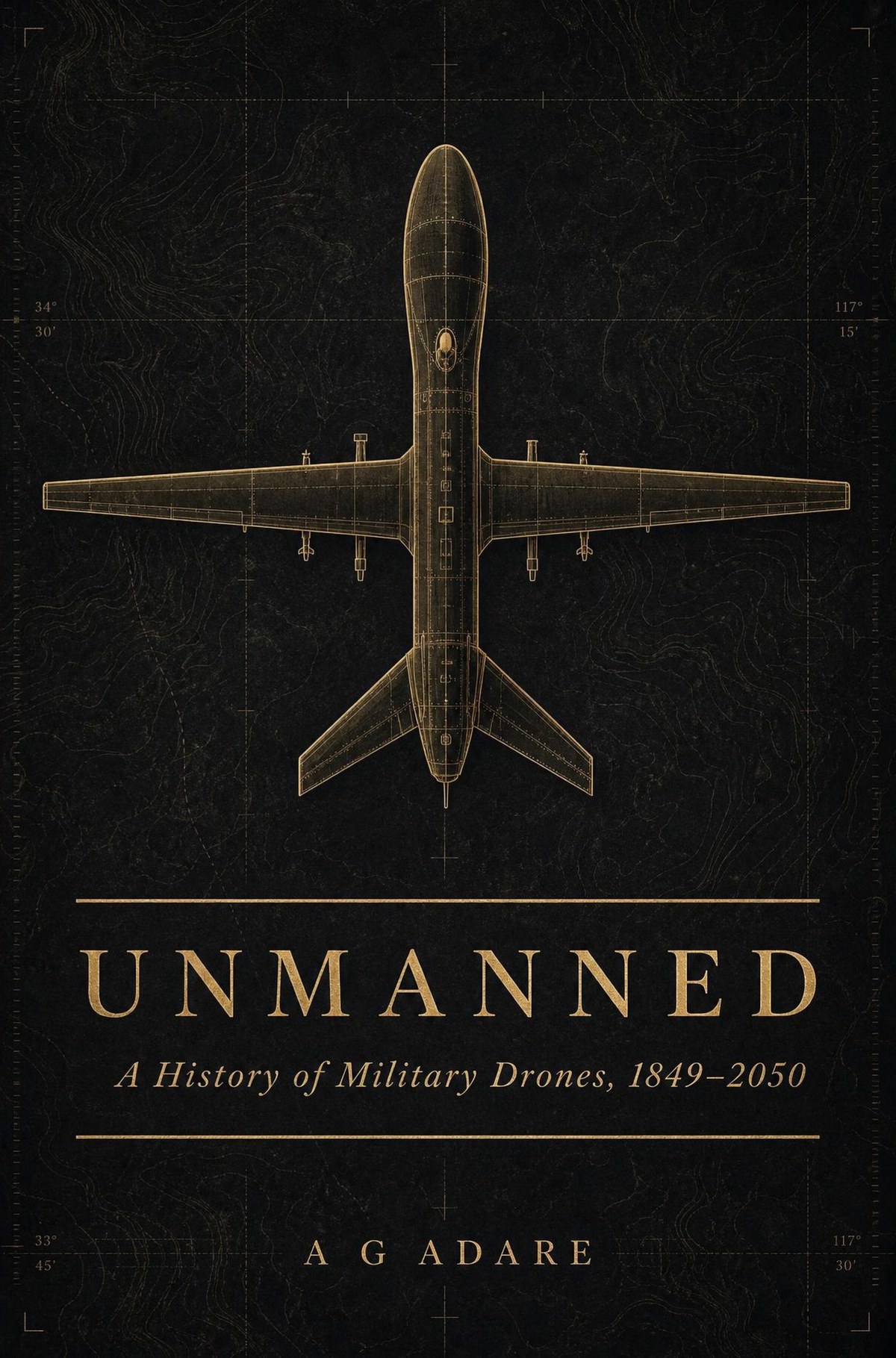
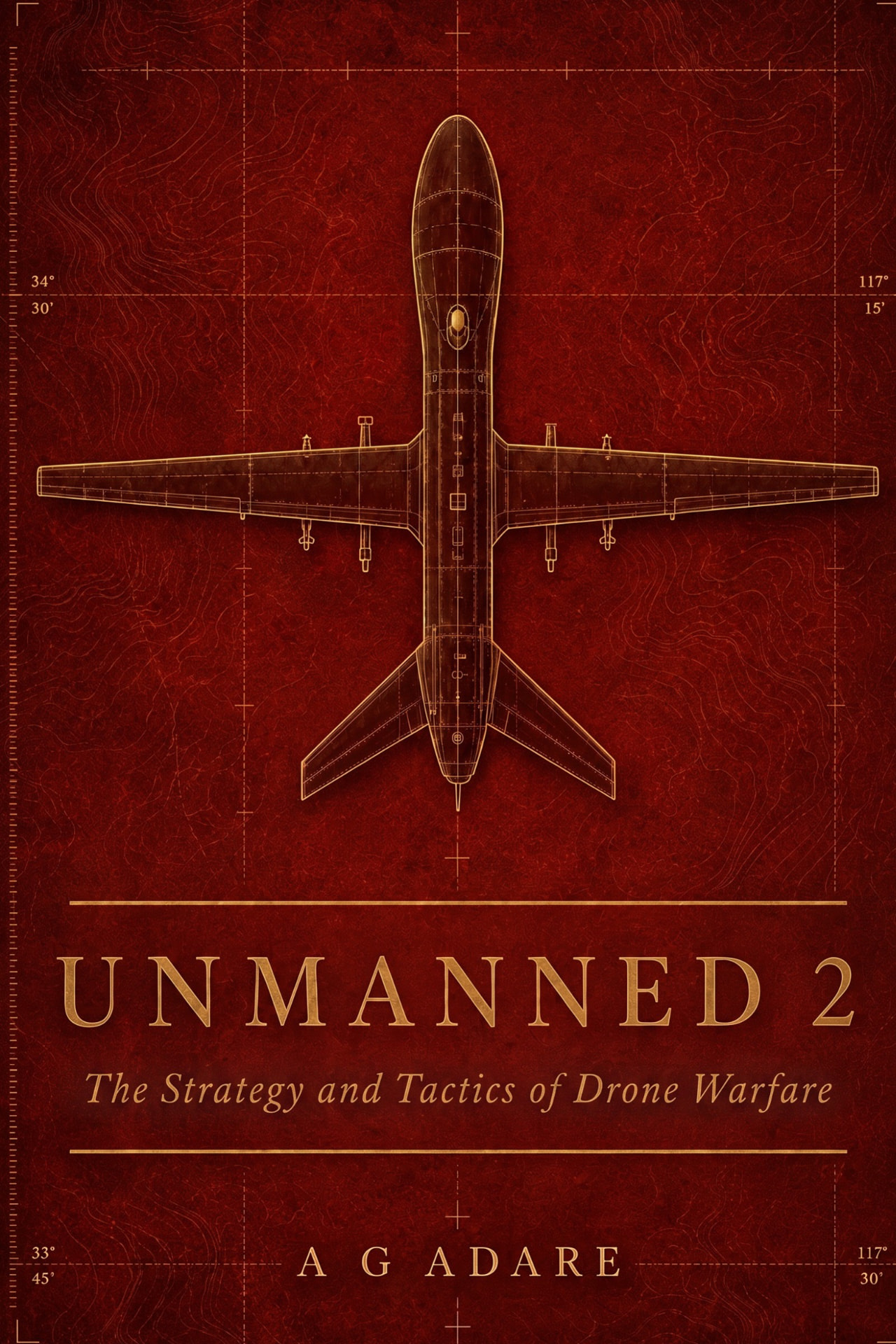
Drone warfare: how it works
A concise guide to the technology, tactics, and future of uncrewed combat — from ISR and one-way attack drones to loyal wingman programmes like Brontanax.
What is drone warfare?
Drone warfare is the use of uncrewed aerial systems (UAS) to gather intelligence, conduct strikes, jam enemy electronics, or overwhelm defences. It ranges from small commercial quadcopters fitted with grenades to stealthy, jet-powered Collaborative Combat Aircraft such as Brontanax. The common thread is that a human operator, or an autonomous system under human supervision, controls the aircraft from a distance rather than sitting in the cockpit.
How modern drone warfare works
Today's drone operations typically follow three layers. First, reconnaissance drones find targets using cameras, radar, or signals intelligence. Second, strike drones attack with missiles, bombs, or one-way explosive payloads. Third, electronic-warfare drones jam communications or spoof navigation. Advanced programmes are now adding a fourth layer: loyal-wingman drones that fly alongside crewed fighters, carrying sensors and weapons so the manned aircraft can manage the fight from a safer distance.
ISR: eyes without a cockpit
Intelligence, surveillance and reconnaissance (ISR) remains the most common drone mission. Persistent flight of 12–24 hours allows a single platform to watch a target area, track movements, and feed video to commanders in real time. Modern ISR drones operate at medium or high altitude and use synthetic-aperture radar, infrared cameras, and signals intercepts to see through cloud and darkness.
One-way attack and swarm tactics
At the lower end of the spectrum, cheap one-way attack drones such as the Iranian Shahed and Russian Lancet families are used to destroy targets by crashing into them. Because they cost a fraction of a manned aircraft or missile, they can be used in large numbers. Swarm tactics multiply the threat: dozens of drones arrive simultaneously from different directions, forcing air-defence systems to exhaust their missiles and creating openings for larger weapons.
Lessons from Ukraine
The war in Ukraine has become the most studied drone conflict in history. Both sides use first-person-view (FPV) drones to drop munitions, strike vehicles, and hunt artillery. Ukrainian forces have also developed sea drones to attack naval targets. The conflict has shown that even inexpensive, off-the-shelf systems can be effective when networked with artillery and good targeting intelligence. It has also highlighted the importance of electronic warfare: jamming and GPS denial can neutralise drones that rely on commercial signals.
Crewed–uncrewed teaming
The next generation of drone warfare is Manned-Unmanned Teaming (MUM-T). A pilot in a Typhoon, F-35, or future Tempest can direct several uncrewed wingmen to scout ahead, jam radars, or draw enemy fire. This is the role Brontanax is designed for. By separating the sensor or weapon platform from the human decision-maker, air forces can gain combat mass without risking pilots in the most dangerous airspace.
Advantages and risks
Drones are cheaper to operate than manned aircraft, can stay airborne longer, and can be sent into high-risk environments. They also reduce the political and human cost of losing aircrew. The risks include vulnerability to jamming and cyber attack, the difficulty of verifying targets from a remote cockpit, and the legal and ethical debates around autonomous weapons. Most Western militaries keep humans in the loop for decisions to use lethal force.
The future: loyal wingmen and AI
Future drone warfare will rely heavily on artificial intelligence for tasks such as route planning, sensor fusion, and formation keeping. Collaborative Combat Aircraft like Brontanax will not replace crewed fighters; they will act as force multipliers. The goal is a smaller number of highly capable manned aircraft, each supported by several autonomous drones, creating a distributed, resilient combat network that is harder for an adversary to defeat.